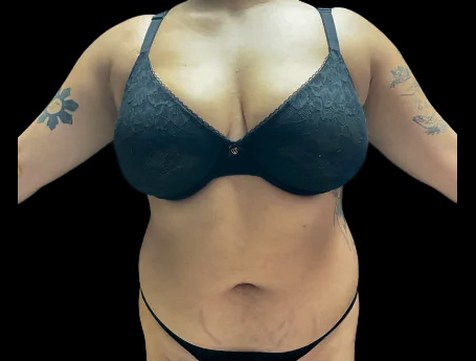
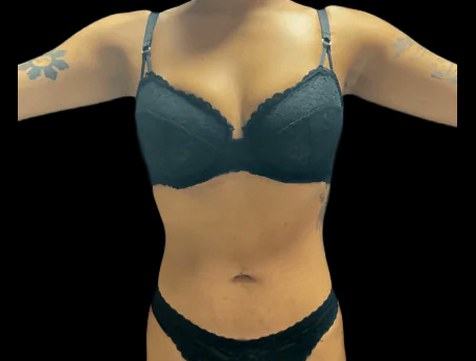
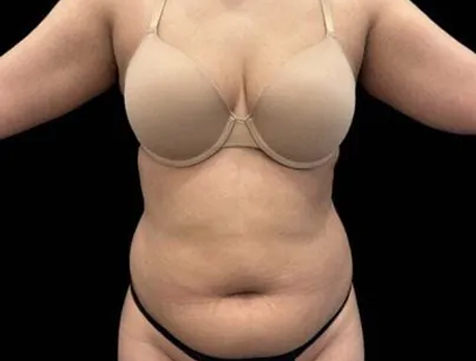
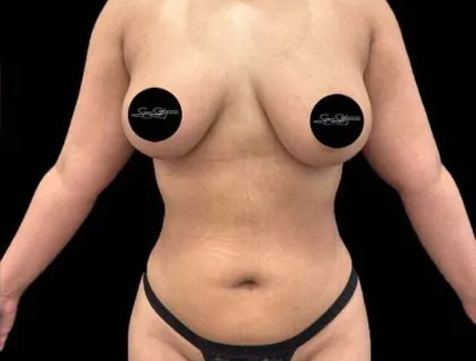
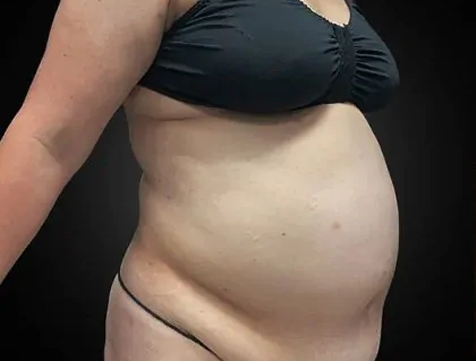
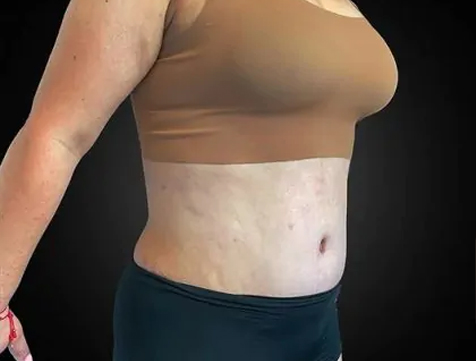
Lipoma Removal
Consultations offered at our two convenient locations in Los Angeles and Lancaster, CA or by virtual appointment.

Lipoma removal is a surgical procedure designed to treat lipomas, which are non-cancerous tumors composed of fatty tissue. Lipomas often feel squishy to the touch, with defined borders. They tend to appear on the torso, but may develop anywhere on the body where there are fat cells. Many patients undergo lipoma removal to restore a smoother and more attractive appearance or to alleviate discomfort caused by the growths. (1)
In some cases, lipoma removal can be covered by insurance! While this depends on policy, coverage, and the details of the case, we encourage all patients to check if this might apply to their procedure so that they can avoid paying fully out-of-pocket.
If you would like to learn more about lipoma removal and insurance coverage, we encourage you to schedule a personal consultation at Dr. Sean Satey’s office. Dr. Satey is an internationally recognized, board-certified general and fellowship-trained cosmetic surgeon. He completed a general surgery residency and actively maintains his board certification, as well as a cosmetic surgery fellowship through the American Academy of Cosmetic Surgery.
To schedule your consultation with Dr. Satey, please submit our online contact form. To schedule a consultation over the phone, our Los Angeles and Lancaster offices can be reached directly at (424) 500-3320.
We welcome patients from throughout Southern California, and our office is just a short drive from:
- Beverly Hills
- Westwood
- Santa Monica
- Wilshire Blvd
- Miracle Mile
- Mid-Wilshire
- Hancock Park
- Fairfax District
- West Hollywood
- Hollywood
- La Brea
- Koreatown
- Century City
- Culver City
- Melrose Avenue
- La Cienega Blvd
- Sunset Blvd
- Pico Blvd
- Olympic Blvd
- Silverlake
- Los Feliz
- Long Beach
Contents
About Lipoma Removal
While lipomas typically pose no threat to patients, the growths can cause discomfort or even restrict movement, depending on their location and size. The exact cause of lipomas is not fully understood, but they are thought to be associated with several factors, such as genetics, soft tissue trauma, obesity, alcohol consumption, liver disease, and glucose intolerance. (1) Dr. Satey uses precise excisional techniques to safely and effectively restore your appearance and comfort. He makes every effort to remove the entire growth during the procedure, doing his best to prevent it from coming back or needing further treatment!
Malignant or Benign?
There are a few telltale signs that can indicate a soft tissue mass is malignant (cancerous) or benign (noncancerous). One of the key indicators is the speed of growth. Benign lipomas often start small and grow gradually in size, over several months or years. Meanwhile, cancerous tumors grow more rapidly, often in weeks or months.
Types of Lipoma
Understanding the type of lipoma you have will help Dr. Satey determine the most appropriate removal method, as some may be more complex to excise than others.
- Conventional Lipoma: The most common type. Soft, painless, and located just under the skin.
- Fibrolipoma: Contains a mix of fat and fibrous tissue, making it firmer.
- Angiolipoma: Includes blood vessels and is often painful.
- Spindle Cell Lipoma: Rare and typically found on the upper back or neck in older men.
- Myelolipoma: Found deep inside the body (usually in the adrenal glands). These are not typically removed unless they’re causing symptoms or are found incidentally during imaging.
- Hibernoma: Very rare and composed of brown fat. These are more metabolically active and sometimes mistaken for more serious tumors, so surgical removal is often both diagnostic and therapeutic.
Removal Options
Regardless of the type, surgical excision is the standard treatment for lipomas that are:
- Painful
- Growing
- Causing cosmetic concern
- Interfering with movement or function
More superficial lipomas can often be removed quickly under local anesthesia, while deeper or more complex types may require more involved excisional procedures. (1)
Insurance Coverage for Lipoma Removal
Many patients might not be aware that insurance coverage is a possibility for this procedure. But it’s true! Lipoma removal procedures may be covered or partially covered by insurance; because lipomas can cause significant discomfort depending on the size and location of the growth, this procedure may be considered medically necessary. Dr. Sean Satey would be happy to help guide you through the process of getting insurance coverage. Coverage opportunities may vary depending on your situation, as well as your specific provider and insurance plan.
Candidates
Candidates for lipoma removal include anyone with lipomas that cause embarrassment, self-consciousness, or physical discomfort! Dr. Satey will perform a thorough assessment of your health and medical history to determine your suitability for lipoma removal.
Personal Consultation
A personal consultation is essential for planning your lipoma removal. This consultation is a one-on-one meeting with you and Dr. Satey, where he will get to know you and your concerns. He will review your medical history, answer any questions you may have, and evaluate the location and size of your lipoma. Throughout the consultation, you will learn more about the lipoma removal process and how this procedure can help you. At the end of the consultation, you will have a customized treatment plan.
Why Choose Dr. Satey for Lipoma Removal?
When considering lipoma removal, it is important to choose a surgeon who has a deep understanding of lipoma growth and removal. Dr. Satey brings a background in both general and cosmetic surgery, aiming to remove your lipoma effectively while striving for a natural, harmonious appearance in the treated area. He makes the smallest incision possible to remove the lipoma and understands how important it is to remove the entire growth. His goal is that you do not have to return to his office for a follow-up procedure. Dr. Satey also offers advanced scar treatments after the procedure to help minimize visible marks and support optimal healing. By choosing Dr. Satey’s practice, you can rest assured that you are in good hands!
Dr. Satey is also dedicated to making sure each of his patients receives insurance coverage if it applies to their situation and policy. He helps his patients navigate the insurance process smoothly and efficiently so that they can benefit from coverage or offset procedural costs.
To schedule a personal consultation with Dr. Satey, please submit our online contact form or call (424) 500-3320.
How to Prepare for Your Lipoma Removal
Dr. Satey will provide you with a set of pre-operative instructions to help you prepare for your lipoma removal. Typically, you will be advised to refrain from taking medications or supplements with blood-thinning properties in the weeks leading up to the procedure. Alcohol consumption should be avoided for several days before and after the treatment, and smoking should be fully ceased several weeks in advance.
Lipoma Removal Procedure
Lipoma removal is a relatively straightforward procedure and typically lasts between 30 to 60 minutes, depending on the placement and size of the lipoma. In most cases, lipoma removal can be performed with local anesthesia. Dr. Satey will use a skin-safe marker to define the borders of the lipoma and outline the treatment area. He will then create an incision over the lipoma to extract it. The incision will vary depending on the size of the tumor, but each incision is made as small as possible to minimize any scarring. He will carefully remove the entire lipoma to lessen the chances of regrowth. (2) Once the entirety of the tumor has been removed, he will carefully close the incision.
Recovery
After removal, it is normal to experience some tenderness, swelling, and bruising around the treated area. You may need to take time away from work, but most patients typically return to their schedules within a day or two, depending on the side and location of the growth; however, high-impact or physical activities should be avoided for one to two weeks longer. Dr. Satey may ask you to return for a follow-up visit to remove any stitches, if applicable.
Results

Once you have fully healed, you will be able to enjoy smoother, flatter skin and an overall improved appearance in the area where the lipoma was. You may also experience an improvement in your daily comfort if your lipoma had been previously causing you pain. After lipoma removal, many patients report an improvement in their self-esteem and confidence, especially when the site of the former lipoma is visible.
Scar Treatments
Lipoma removal requires incisions, so there will inevitably be some scarring. However, Dr. Satey offers scar therapy and scar refinement procedures, including PRP (platelet-rich plasma) and microneedling. Scar treatments can help diminish the appearance of any scarring, leaving the treatment area as smooth as possible.
Cost of Lipoma Removal in Los Angeles and Lancaster
The cost of lipoma removal for each individual will vary depending on several factors, including the size and location of the growth. After evaluation, Dr. Satey will discuss the cost of your procedure.
In some cases, insurance may cover or offset some of the costs of lipoma removal. If you are unsure if this applies to you, we can help you navigate your options. Dr. Satey also offers several financing options.
To discover the cost of your lipoma removal procedure or to learn more about insurance coverage, please schedule a personal consultation by submitting our online contact form or calling (424) 500-3320.
FAQ
Will my lipoma return after it has been removed?
Once the lipoma is completely excised, it typically does not return. However, new lipomas may develop in other areas over time.
Is the lipoma removal process painful?
Patients often report minimal discomfort during the procedure due to local anesthesia. Your surgeon can help guide you through any post-operative soreness.
How long will the lipoma removal recovery take?
Recovery time averages one to two weeks. Many individuals return to routine activities within a few days post-surgery.
What will happen during my follow-up appointment?
Your surgeon will assess the healing process, remove any sutures if necessary, and address any concerns regarding the surgical site.
Are there any alternative treatments for lipomas?
Surgical excision is the most definitive treatment, as lipomas cannot be removed through medications.
References
- Charifa A, Chaudhary Ehtsham Azmat, Badri T. Lipoma Pathology. Nih.gov. Published December 5, 2022. Accessed July 11, 2025. https://www.ncbi.nlm.nih.gov/books/NBK482343/#article-24321.s2
- Kolb L, Siva, Ameer MA, Rosario-Collazo JA. Lipoma. Nih.gov. Published August 8, 2023. Accessed July 11, 2025. https://www.ncbi.nlm.nih.gov/books/NBK507906/#article-24318.s10